
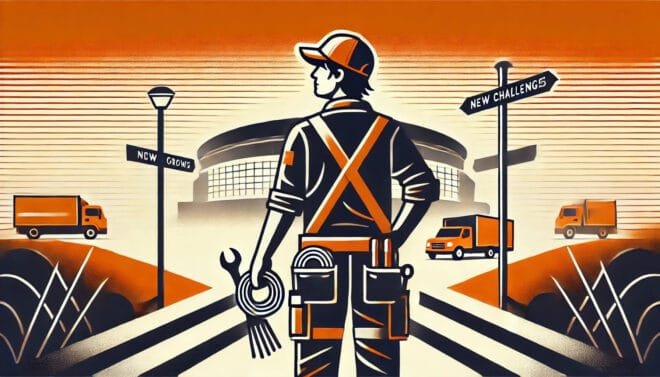
Let me start by saying this: My intention here isn’t to offend the specialized schools with
entertainment programs, or the job placement agencies / job boards. I understand why they exist, and I know many of them mean well. Some even have success. Some employers look at the schools and job boards. But, there’s more to it which you will see in this post.
There is a traditional work ethic to consider.
The concert industry has always run on hard work, reputation, and genuine relationships. Not something learned in a classroom or from having the nicest looking resume.
Here’s a question: Why shouldn’t the touring industry be taught in a classroom?
Here’s another question: Can potential employers see your work ethic on a job board?
My feeds are crowded with a rising trend:
Job Boards posting industry jobs and so are the specialty schools or college courses. The pitch is enticing, take a course or join a roster (with thousands of others) trying to get that dream job.
and suddenly you’re on track to be on that tour with your favorite band.
As someone who has lived and breathed this industry, I have to ask: Since when did
touring become something you learn in a classroom or get into by putting your resume
on a job board? Is it possible? Of course it’s possible. Are there other / better ways? Yes 100%
The live music business is built on trust, hard work, capability, and adaptability under pressure.
Historically, getting your foot in the door required a very specific, time-tested formula: you
proved yourself and gained your reputation from your work ethic.
Here is why the “old-school” approach isn’t just the traditional way—it’s the only way that
actually prepares you for the road.
1. Your reputation doesn’t come from being best in class.
On tour, your reputation is everything. When a tour hires you , they aren’t looking for a diploma or the best looking resume.. They are looking for a crew for their tour that they trust,
The people that came to their shop that showed up early, worked late, and proved they could handle the chaos of a load-out without cracking. that respect comes from doing the actual work.
2. The Road Cleanses Itself
The reality is the most polished resume in the world doesn’t load the trucks.
The road will find you out by day three. If you don’t know how to handle a crisis at 2:00 AM in a venue where nothing is going right, a placement agency won’t save you.
The old method of working your way up taught you how to survive. It gave you the ability required for this lifestyle. Randomly placing people into roles they haven’t truly grown into is a disservice to both the tours and the new men and women trying to make it.
3. Mentorship
The best relationships in this industry are made in the trenches. They come from
mentorship—veterans pulling up the next generation because they saw talent and grit.
4. The Classroom
I’m all for education and helping the next generation break into live music. But
let’s not confuse it with actual capability.
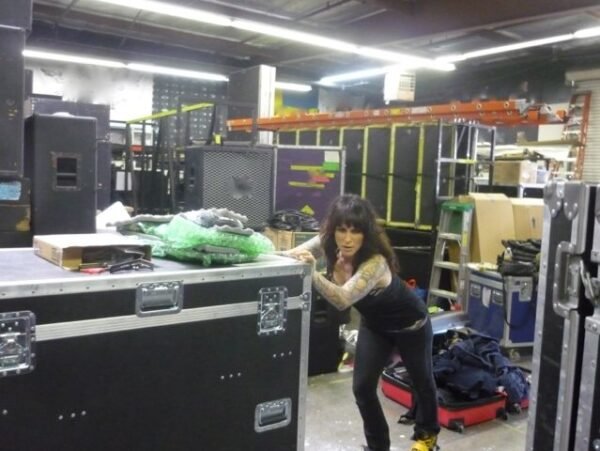
To the aspiring crew members out there: Don’t feel discouraged if you can’t afford school or don’t think your resume is good enough. Go to the venues. Meet the local crews. Learn how to
push cases, properly coil a cable, shadow the people doing the job you want, ask if maybe you can help and let your work ethic do the talking.
Pounding the pavement isn’t outdated. It’s still the most respectable way to earn your spot on the tour bus.
There’s no degree that qualifies you to call shots on a tour unless it’s accompanied with hands-on experience.
5. The Job Boards
Employers use job boards as a shortcut to blast listings out to “vetted” pools.
Where did I start?
Loading trucks, lots of trucks for several years. I wasn’t ready to tour until I was.
Yes, I wish there would’ve been an easier way but the years of hard work did everything for me. I didn’t just do a load in and leave. I stayed and watched and when I could, I asked questions. I remembered names and it helps, it helps a lot because some day you can say, I worked with so and so on Biggy McBiggs at the downtown arena.
6. There’s No Shortcut Onto a Tour Bus
Placement agencies and entertainment schools that say they offer a quick path into live touring can come with a high-priced diploma that may read “This is your golden ticket to becoming a Tour Manager”
Look, I get the appeal. For employers, maybe these hiring boards feel like an easy way out of
the traditional word-of-mouth scramble. For newcomers, a classroom feels safe.
But as someone who has lived this industry, I feel an obligation to say out loud what the
veterans say behind the scenes: You cannot learn the reality of the road from an app, or a college lecture.
I didn’t start my career analyzing logistics on a screen. I started where most road veterans start: Knocking on doors and loading trucks, rinse and repeat
That cold wind blowing at load out is the ultimate classroom.
When you are sweating through the 4th truck at 2:00 AM figuring out how to make it all fit, you are learning the actual way of life on tour.
No high-priced school or job-board teaches you that. They don’t teach you how to
handle the issues between local crews and touring road staff. They don’t teach you
how to keep your head when gear fails, the venue power drops, and the band is walking on stage in ten minutes.
7. Paying Back A College Loan
What’s most concerning is seeing the next generation get completely misled. Young people are
being convinced to take out massive student loans to attend “entertainment business” schools. They graduate with years of debt to pay back, holding a piece of paper, under the impression they are ready to step right onto a stadium tour.
Then reality hits. The road is real and doesn’t care about a degree; it cares about
capability, endurance, hard work and reputation. When a new candidate steps into a role they haven’t grown into, the road finds them out by day three. Shuffling people into touring
positions before they’ve done the grunt work is a disservice to the production, the artist,
and—most of all—the kids themselves who are set up to fail.
8. Reputation Takes Time
The finest crews in touring are built on trust. When a Production Manager looks to fill a position, they aren’t looking through stacks of resumes. It’s usually a phone call “Who do you know that is hungry, reliable, and keeps their cool when everything goes wrong?”
That trust is earned from veterans working with the local hands who showed up early, worked like a dog, and asked the right questions.
9. Knocking On Doors Still Works
To the aspiring crew members reading this: Don’t get discouraged if you can’t afford a
specialized school or nothing comes from the job boards.
Go to the local production houses, join the local stagehand companies, check out the local venues, Push some cases, load some trucks, wrap the cables, sweep the stages, and shadow the people doing the job you want. Let your work ethic be your resume.
Pounding the pavement isn’t an outdated, “good old days” cliché. It’s part of a process that works now and has worked from day one. The road is built out of concrete, not classrooms. Earning your spot the hard way is still the right way to ensure you actually know what to do when you get there.
I believe in this industry, I believe in helping people, the people that don’t mind some hard work.
My website OnTourNetwork.com is free and always has articles by and about the people and companies doing the tours and festivals.
Cover Art Provided by: Harry Doherty